
Many travelers assume the cheapest way from the airport is always the smartest one. The lowest figure on a board or a menu rarely tells the whole story, because waiting, detours and late-night arrivals all carry a cost. Budget planning for a holiday works better when the full journey is counted, not only the fare. That habit is especially useful on the coast of southern Turkey, where distances between the airport and the resorts vary widely.
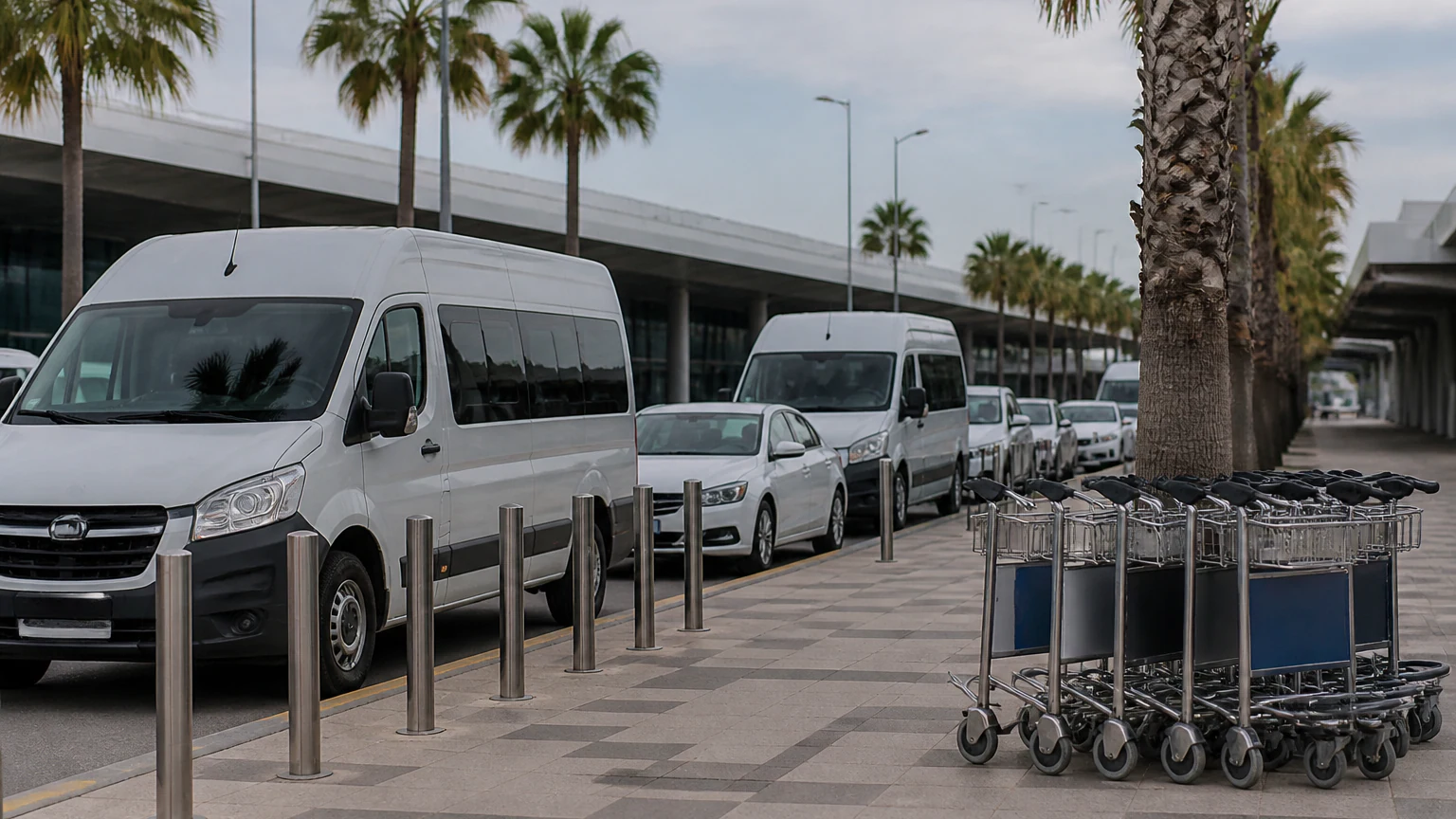
Readers who follow general news often plan trips the same way they plan household spending, comparing options before committing. A transfer is a small line in that plan, yet it sets the tone for the first and last hours of a holiday. Getting it right means knowing how the airport is laid out, how the roads behave and which choices match the size of the group. A little preparation here saves both money and energy later.
Antalya Airport has three terminals: International Terminal 1, International Terminal 2 and the Domestic Terminal. Which one a passenger uses depends on the airline and the flight, so it is worth checking the ticket or the airport’s flight information. International arrivals pass through passport control, baggage claim and customs before reaching the arrivals hall. In summer, when many charter flights land together, passport control can take longer, which affects any pickup plan.
Reading the road before reading the price
The airport lies east of the city, and that geography shapes every journey. Kaleiçi is about 14 km away and Lara about 15 km, each roughly twenty minutes in normal traffic. Belek, Side and Alanya sit east along the D400 coast road, while Kemer and Konyaaltı lie to the west. For western destinations the car first crosses the city on its ring roads, which adds time and sometimes cost.
Timing matters as much as distance. From June to October, weekends are hotel changeover days, so the airport area and the D400 stay busy throughout. On weekdays the city ring road is usually at its heaviest in the late afternoon, roughly between 17:00 and 19:00. A traveler who can choose a flight or a pickup outside those windows may find the trip smoother and the final bill more predictable.
One reassuring detail is that the routes from the airport to Belek, Side, Alanya, Kemer and the city centre include no toll motorways, bridges or tunnels. Distance therefore becomes the main factor in what a ride should cost. Anyone comparing quotes can use that as a simple yardstick, since an unusually complicated pricing structure on such plain routes deserves a second look. Clear terms are a form of savings in themselves.
Fixed fares, meters and shared costs
For travelers who want a clear budget, a fixed fare per vehicle is easier to manage than a running meter. In the case of antalya airport transfer services, one company in this field, Vixride, states on its own page that its price includes traffic, waiting and parking and does not climb in traffic as a meter does. Its page also gives Belek as about 33 km and roughly 35 minutes away. Such details let a family compare offers on equal terms.
Because the fare is set per vehicle rather than per person, the value changes with group size. A couple may find public transport options attractive, while a family with luggage and children often gains more from a private car. The cheapest ticket can become the costliest choice once extra connections, heavy bags and tired passengers are counted. Matching the vehicle to the group is the quiet core of a sensible budget.
A good plan, then, rests on a few checks made before departure: the terminal, the destination’s direction from the airport, the day of the week and the way the fare is calculated. None of these takes long, and together they remove most of the surprises that spoil a first evening. Efficiency on a holiday is not about spending the least, but about spending where it protects time and rest. That balance is what travelers tend to remember long after the fare is forgotten.
Link: https://vixride.com