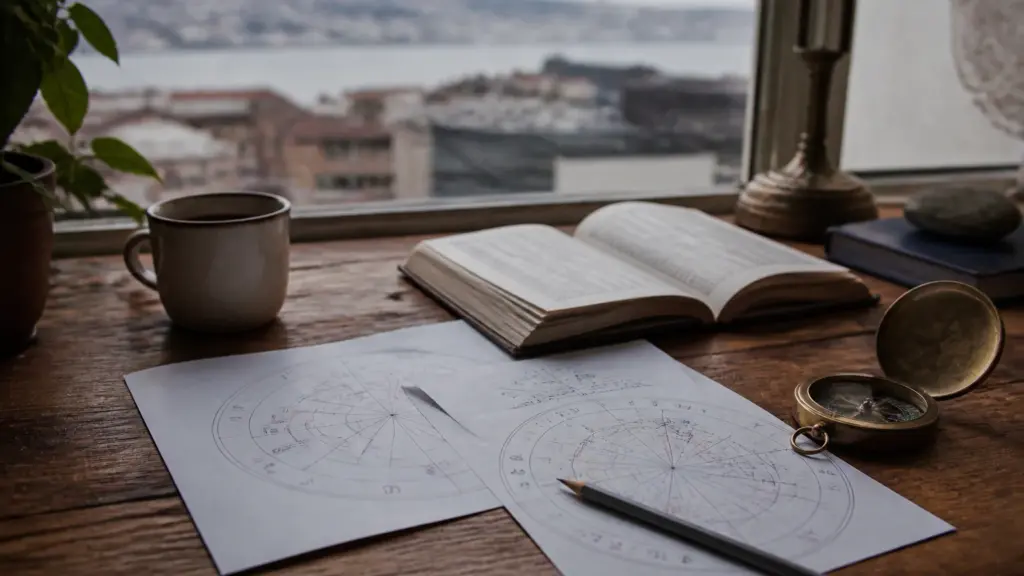
Does a compatibility chart tell you whether a relationship will last? Many people assume it does, as if two birth dates could be fed into a formula that returns a yes or a no. The reality is more modest and more useful. A comparison of two natal charts describes patterns of contact between two people, and it leaves the decisions about what to do with those patterns to the couple themselves.
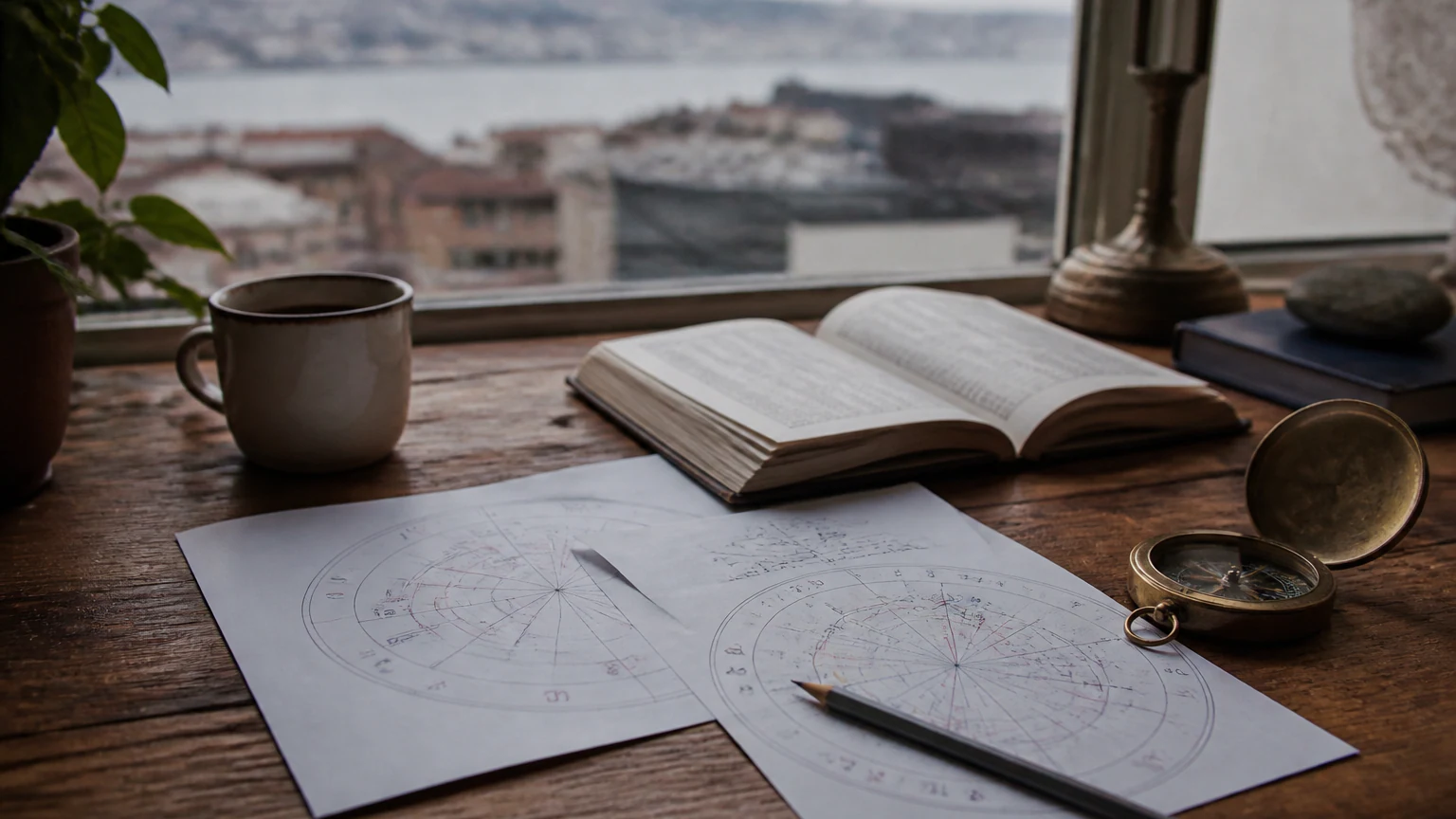
What exactly is being compared? Each person has a natal chart, a map of the sky for the date, time and place of birth. A relationship chart, often called synastry, places one map over the other and looks at how the planets of one person relate to the planets and houses of the other. According to the target page, a free tool such as Relationship Compatibility Birth Chart Calculator presents this as a symbolic language for harmony, chemistry and friction, not as fortune-telling.
Why does a news reader care about this at all? Interest in astrology apps and online calculators has become a regular part of everyday digital culture, and readers of a general news portal meet these tools in social feeds, in conversation and in advertising. Understanding what a tool claims to do, and what it does not, helps readers judge such content calmly. A plain explanation of the method serves that purpose better than either enthusiasm or ridicule.
What information does the calculator ask for? According to the page description, you enter both partners’ birth details: the date, the time and the place. The tool then lays the two natal charts side by side and measures the angular distances, known as aspects, between every planet in one chart and every planet in the other. Because the chart depends on these inputs, a wrong birth time or a wrongly spelled place can change the picture noticeably.
Which planets matter most in the result? The page highlights contacts between the Sun, Moon, Venus and Mars. The Sun and Moon are usually read as core identity and emotional needs, Venus as affection and taste, and Mars as drive and desire. When two people have these points in contact, astrologers read the connection as significant. The tool also shows house overlays and an overall compatibility view that gathers these details in one place.
What do conjunctions, trines, sextiles, squares and oppositions mean? These are the angles the calculator looks for between planets. Conjunctions, trines and sextiles are traditionally read as supportive or blending, while squares and oppositions are read as tension that asks for attention. Tension is not treated as failure in this tradition. It is described as the place where partners may need to talk, adjust and grow.
Can a couple with many difficult aspects still do well? Within astrology’s own logic, yes, because the chart is a description of tendencies and not a sentence. Two people who understand where they clash may handle those moments with more patience than people who are surprised by them. Readers should also remember that real relationships depend on communication, shared values and daily choices that no chart can measure.
What if you do not know your birth time? This is among the most common problems users face. The house placements and the rising sign depend on the exact time, so an estimate weakens parts of the result. Readers can check a birth certificate or ask a family member, and they can treat the planetary aspects as more reliable than the house overlays when the time is uncertain.
How should a result be read without taking it too literally? A sensible approach is to treat the output as a set of prompts for conversation. If the chart points to a clash between Mars placements, for example, partners can ask how each of them handles conflict. If it shows a warm Venus contact, they can notice where affection already flows. The chart gives vocabulary, and the couple supplies the meaning.
Is a free calculator enough, or should you look further? For curiosity and self-reflection, a free tool that explains its terms clearly is a reasonable starting point. Readers who want depth can compare the result with other chart types, such as individual natal charts, and read about each placement slowly. Whatever the choice, the healthiest use treats astrology as one lens among many, and leaves the final judgment about a relationship to the people living it.