Astrology has quietly moved from the back pages of newspapers to the screens people carry every day. Interest no longer centers on a single line of daily advice for one zodiac sign. Readers increasingly want a personal chart built from their own birth details, and many now expect to see that chart explained in clear, practical terms rather than a few generic sentences. That change in format says a lot about what people now expect from the subject, including more transparency about how each reading is produced and what its limits are.
For a general news audience such as the readers of kolaybulten, the topic matters because it touches ordinary habits: how people talk about personality, relationships and timing. Whether or not a reader finds astrology convincing, it shapes conversations at work, among friends and on social media. Understanding the tools behind those conversations makes the trend easier to read. It also separates a casual curiosity from a genuine practice.
From sun sign columns to personal charts
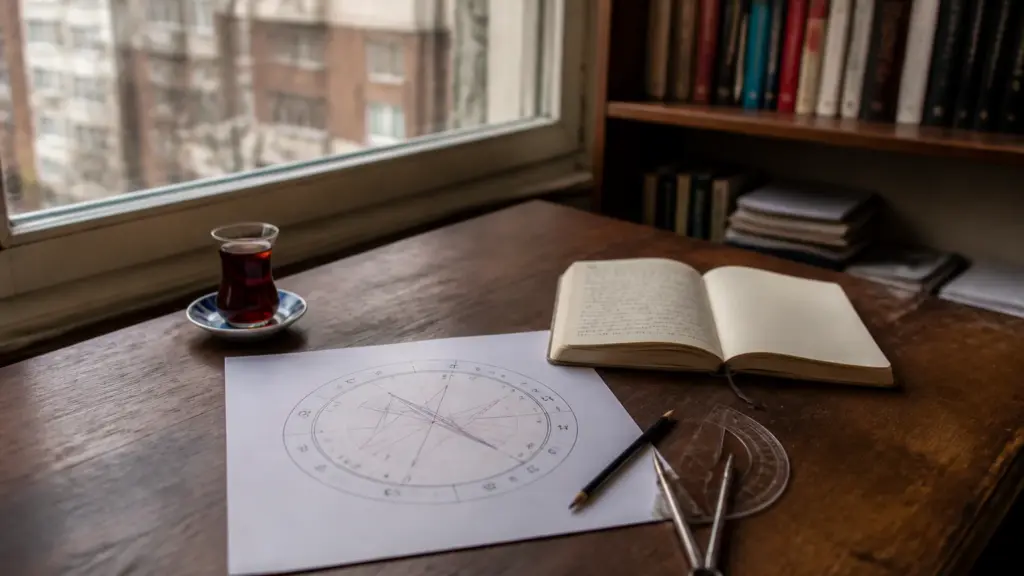
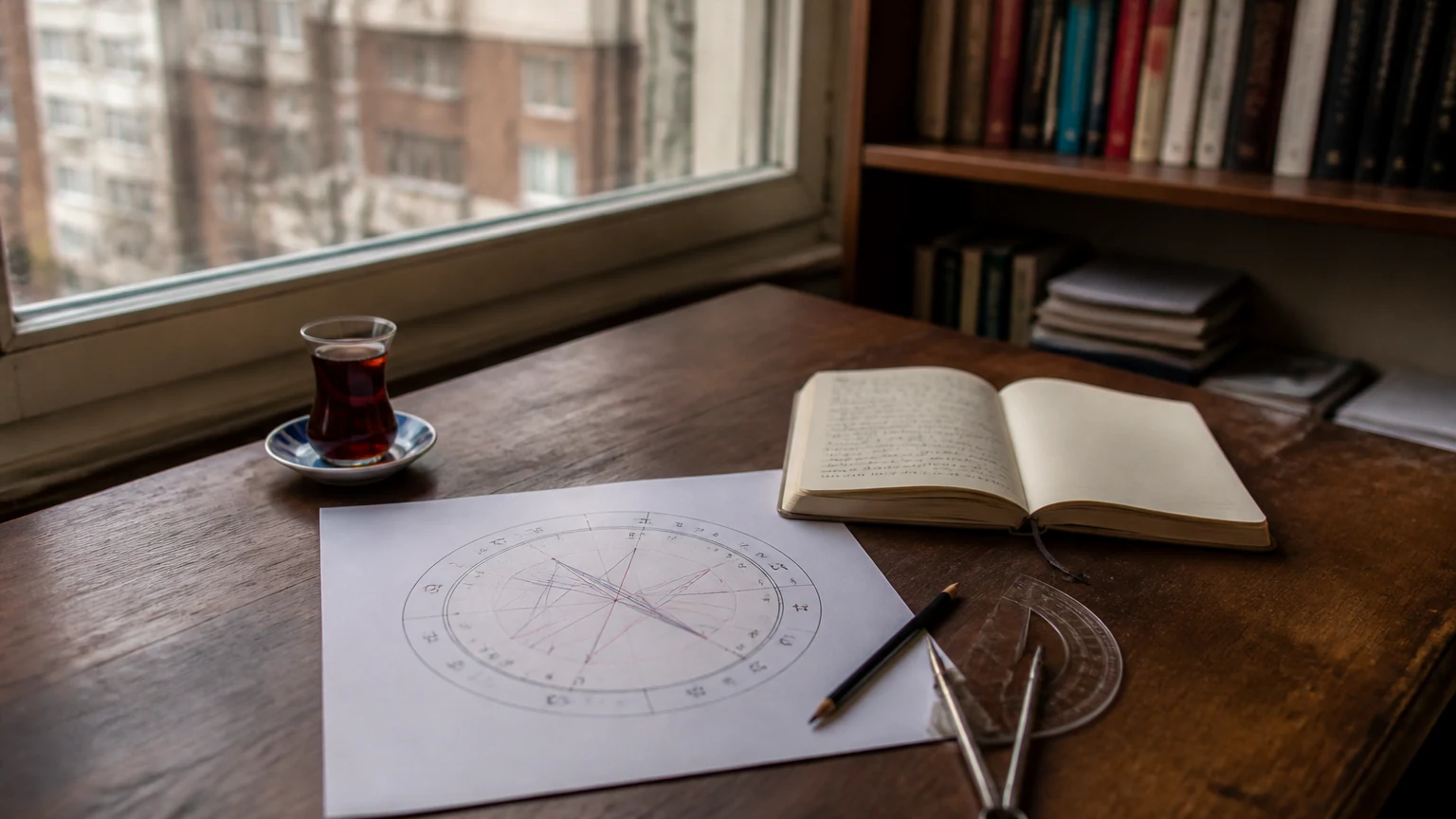
The traditional newspaper horoscope relied on a single data point, the sign the Sun occupied on a person’s birthday. A birth chart uses far more. It maps the positions of the Sun, Moon, planets and other celestial points at the exact moment and place of birth, and it also places them into twelve houses that describe areas of daily life. The result is a layered picture, and no two charts are identical unless the birth details match closely.
Free calculators have made that layered picture easy to obtain. A user enters a date, a time and a birthplace, and the software performs the astronomical calculations that once required reference tables or a professional. Among the sites offering this service, Astrology tools from YesAstrology describe themselves as a way to generate a free birth chart and find the Sun, Moon and Rising signs. The convenience explains much of the growth in public interest.
Most beginners meet the so-called Big 3 first. The Sun sign is usually associated with core identity, the Moon sign with emotional temperament, and the Rising sign with the outward manner others notice first. Practitioners treat these as an entry point rather than a full reading. Seeing three signs instead of one often surprises people who thought of themselves only by their birthday sign, and it encourages them to ask how the three interact.
Compatibility features are the second major draw. Users can compare two charts, whether for partners, friends or colleagues, and see how planetary placements relate to each other. The platform’s own description also mentions more than 170 calculators, which suggests the range now extends well beyond a basic natal chart into areas such as transits and yearly forecasts. Such breadth turns a single curiosity into an ongoing habit of checking and comparing.
What the shift means for readers
A practical point deserves attention: accuracy depends on input. A birth time that is off by even a few minutes can change the Rising sign and the placement of houses in a chart, and an incorrect birthplace can shift those calculations as well. Readers who do not know their exact time should expect less certain results. Treating the output as an interpretive framework, not a measurement, keeps expectations realistic, and checking the entered data before reading the interpretation is a sensible first step.
Language access is another development. According to the platform’s own presentation, multilingual support lets people read interpretations in their native language. That widens the audience beyond English speakers and encourages local communities to discuss charts in familiar terms, with local expressions for personality traits and life themes. It also raises the question of how faithfully nuanced concepts survive translation, since a single planetary term can carry different connotations across cultures and across generations of readers.
Astrology remains a matter of belief and personal meaning, not scientific prediction, and sensible readers can hold both thoughts at once. Many use charts as a prompt for reflection about habits, relationships and choices, not as an instruction for major decisions. Free tools lower the barrier to that kind of reflection, and they also make it easy to compare several interpretations side by side. The reader still decides how much weight any interpretation deserves.